
What Is a Detection Bill? MEPCO Rules, Time Limits, and How to Dispute It (2026)
A detection bill is an extra electricity charge that MEPCO says you used, but your meter didn’t record. Common causes include a slow or faulty meter, meter tampering, and direct hooking. For a slow meter, the charge should cover no more than two billing cycles, and you should receive a written notice before it is added to your bill.
This page explains why it is issued, how far back it can go, what MEPCO must show you, and how to challenge it if it looks wrong.
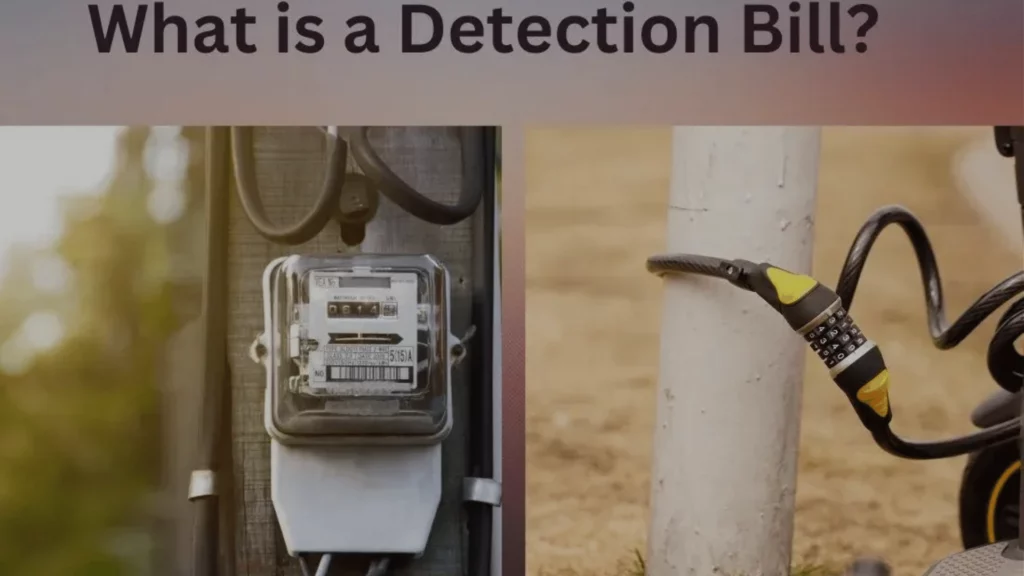
What Is a Detection Bill?
Your normal bill charges the units your meter recorded. It adds units the company believes were used but missed because of a meter fault, interference with the meter, or a connection that bypassed it. On a bill, it may appear as a separate line marked DET or Detection, covering several past months.
It is not the same as an estimated or average bill, which is used when a reading could not be taken. This is a separate charge for units found unrecorded.
Why Does MEPCO Issue a Detection Bill?
- Slow meter: the meter records less than the real consumption, for example, after a test shows it is running slow.
- Defective or stopped meter: the display is blank, the meter is burnt, or it has stopped counting.
- Meter tampering: broken seals, a hole in the meter, loops or shunts on the terminal box, or changed meter settings.
- Direct hooking: a connection taken from the line without a meter.
A slow meter you did not touch is treated differently from tampering or hooking, so always ask which reason MEPCO has written on the notice.
How Many Months Can a Detection Bill Cover?
| Situation | Maximum two billing cycles | Note |
|---|---|---|
| Slow meter | Maximum two billing cycles | NEPRA’s appellate board has cancelled six-month charges for slow meters |
| Burnt or defective meter | Meter should be replaced within two billing cycles, with no back charges | Applies where the fault was not caused by the consumer |
| Tampering or theft | Set by NEPRA’s Consumer Service Manual | In 2026, NEPRA proposed up to six months for tampered home meters and up to twelve months for other categories. This is a proposal, not yet in force |
Rules can change, so check NEPRA’s current Consumer Service Manual before you rely on a limit.
What You Should Receive Before a Detection Bill
- A site check in which the meter is secured in your presence.
- A written notice that states the reason and, for suspected theft, a period of 7 days to reply.
- The inspection or metering and testing report.
- A calculation sheet showing the period, the units, and the rate used.
- For a theft case, a hearing before the company’s review committee
A detection charge that appears on your bill with no notice and no report is the strongest ground for a challenge.
How to Dispute a Detection Bill
- Ask the sub-division office for the notice, the inspection report, and the calculation sheet. Keep copies.
- Check the period against the limit above, and check that the units match your meter history.
- File a written complaint at the sub-division office or customer service centre and get a dated acknowledgement. NEPRA’s manual expects the company to settle such a complaint within 15 days.
- If it is not settled, or you want the meter tested independently, apply to the Provincial Electric Inspector. The meter should not be removed until the inspector has tested it, and the test is expected within one month.
- If you disagree with the inspector’s decision, you can appeal to NEPRA’s Appellate Board.
Keep paying your regular monthly bills while the dispute runs. Ask the inspector or a lawyer whether you should pay the disputed amount under protest so that your supply is not cut. This page is general information, not legal advice.
Can You Pay It in Installments?
You can ask MEPCO for an installment plan for a large bill. See our guide to MEPCO bill installments for the approval levels, the number of installments, and the documents to submit.
How to Avoid a Detection Bill
- Never remove or touch meter seals, and never connect any wire around the meter.
- Report a burnt, stopped, or noisy meter in writing as soon as you notice it, and keep the acknowledgement.
- Photograph your meter display every month and compare it with the units on your bill. Our Apna Meter Apni Reading guide shows how to submit your own reading.
- Watch for a sudden drop in units. If your usage has not changed, report it early.
- If you get a notice, reply within the time given. Silence can be treated as agreement.
Last reviewed: October 2026. This is an independent informational website and is not affiliated with MEPCO, NEPRA, or any government organization. It is not legal advice. Verify rules in NEPRA’s Consumer Service Manual and with MEPCO.